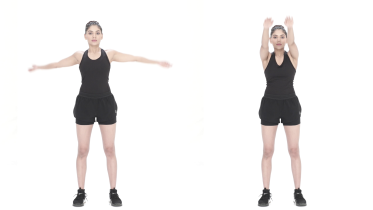
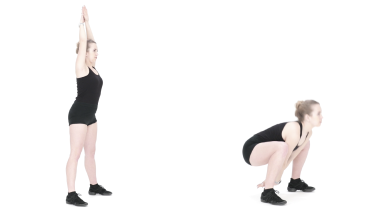
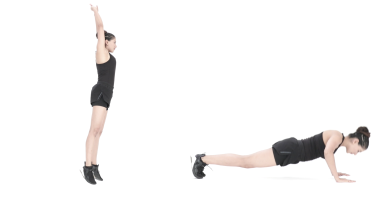
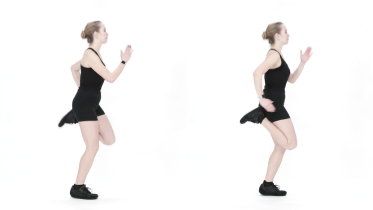
Bear crawl
A bear crawl is a crawling exercise on your hands and feet, with your knees hovering just above the floor. You move one hand and the opposite foot forward a short way, then the other pair, keeping your back flat and your hips low. Most of your weight goes through your shoulders, while your stomach and thighs hold the position. Your heart rate climbs too, so it sits at the harder end of home exercise.
How to do the bear crawl
- Start on your hands and knees with your hands under your shoulders, your knees under your hips and your toes tucked under.
- Tighten your stomach and lift your knees a few inches off the floor, so your hips and knees are bent at about a right angle and your back is flat.
- Staying low, move your right hand and left foot forward together by the same small distance.
- Then move your left hand and right foot forward the same way.
- Keep alternating sides at a steady pace, back level and knees just clear of the floor. Breathe throughout.
What you should feel
Work in your shoulders, arms, stomach and the front of your thighs. Your breathing and heart rate will pick up the longer you keep going.
Common mistakes
- Pushing the hips up high, which takes the work away from the stomach and legs.
- Letting the lower back sag or round.
- Taking long strides, so the body twists and rocks from side to side.
- Moving the hand and foot on the same side together instead of opposite pairs.
- Holding your breath.
How often
Many programs start with 2 to 4 rounds of 10 to 20 seconds of crawling, or a few steps forward and back, with rest in between. Your physio will adjust this.
Stop and check with your physio if
- Chest pain or pressure, dizziness or feeling faint, a racing or irregular heartbeat, or being far more out of breath than the effort should cause.
- Sharp pain in a wrist, shoulder or knee.
- Lower back pain that sharpens or keeps building.
From the clinic
In the video the crawl covers a short distance forward and then comes back, which suits a small room. To learn the position, hold it still first, with your knees hovering, for a few breaths before you start moving. The bird dog uses the same opposite arm and leg pattern at a much slower pace.
A lot of your weight goes through the wrists with the hands bent back. If that hurts, rest on your fists or hold a pair of sturdy dumbbells to keep the wrists straight, and check with your physio if you have a wrist or shoulder problem. With high blood pressure or a heart condition, check with your doctor first and keep the pace slow. Ask first as well if you are pregnant, have pelvic floor symptoms or have had recent surgery. If chest pain, pressure or tightness does not ease quickly when you rest, spreads to your arm, neck, jaw, stomach or back, or comes with sweating, feeling sick, feeling light-headed or being short of breath, call emergency services straight away, as this can be a heart attack. If it eases quickly and none of these happen, get medical advice the same day, and do not exercise again until you have been checked. If you faint while exercising, call emergency services, even if you feel fine again quickly.
Written and checked by the PocketPhysio editorial team. Last updated 2026-09-26.
This page is general education, not a diagnosis or a personal treatment plan. If you have pain, an injury or a health condition, see a physiotherapist or doctor before starting new exercises.