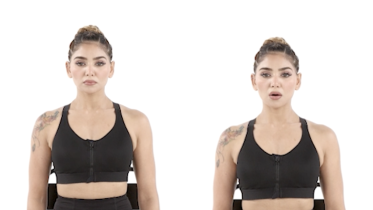
Alternate nostril breathing
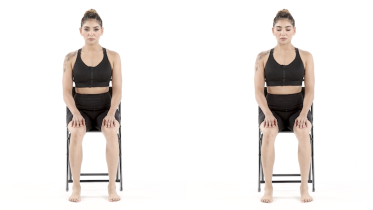
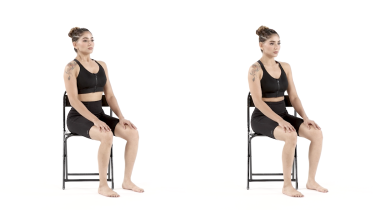
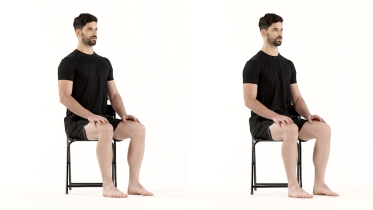
Alternate nostril breathing, known in yoga as anulom vilom (anuloma viloma), means breathing in through one nostril and out through the other, switching sides as you go. You use the thumb and a finger of one hand to close each nostril in turn. It is a slow, quiet breathing exercise that many people use to relax. The video shows it done sitting on a chair.
How to do the alternate nostril breathing
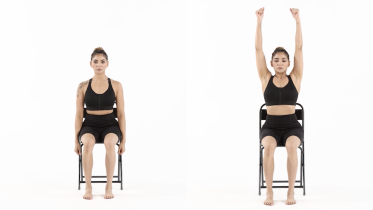
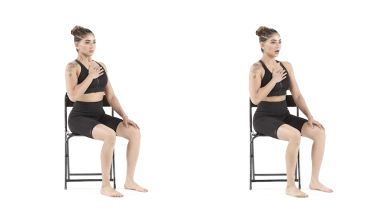
- Sit upright on a chair with both feet on the floor. Let your shoulders drop and rest your left hand on your thigh.
- Close your right nostril with your right thumb and breathe in gently through your left nostril.
- Close your left nostril with your index finger, lift your thumb off the right nostril and breathe out slowly through the right side.
- Breathe in through the right nostril, close it with your thumb, then open the left side and breathe out through it.
- That is one round. Keep going in the same pattern, always breathing in through the side you just breathed out of.
What you should feel
Air moving quietly through one side of your nose at a time, at a slow, steady pace. There is no need to hold your breath between sides.
Common mistakes
- Pressing so hard on your nose that it hurts or pushes the nose sideways.
- Sniffing or pulling the air in hard instead of breathing in gently.
- Rushing the switches, which can leave you light-headed.
- Lifting the elbow high so the shoulder of the raised arm tenses up.
How often
Many people start with a few rounds and build up to about 5 minutes, once or twice a day. Your physio will adjust this.
Stop and check with your physio if
- Your fingers or the skin around your mouth start to tingle, or you feel light-headed or spaced out. This can mean you are breathing too fast or too deeply, so stop and let your breathing go back to normal. If it has not settled within a few minutes, get medical advice the same day. If you faint, or the numbness or tingling is on one side of your face or body, call emergency services, even if it goes away.
- You suddenly become short of breath, your chest feels tight or heavy, or you are far more short of breath than usual. Stop, rest and use your breathing control. Call emergency services if the breathlessness came on suddenly, your chest feels tight or heavy, your breathing does not go back to normal, you are gasping, choking or cannot get your words out, you have pain that spreads to your arms, back, neck or jaw, you feel suddenly confused or very drowsy, or your lips or skin turn very pale, blue or gray (on brown or black skin this can be easier to see on the palms of the hands). If everything settles quickly, get medical advice the same day before you do these exercises again.
- Chest pain or pressure, dizziness or feeling faint, a racing or irregular heartbeat, or being far more out of breath than the effort should cause.
From the clinic
Only do this when both sides of your nose are clear. With a blocked nose, from a cold or hay fever for example, you have to work harder to get air through one side, so skip it that day. If one side stays blocked most of the time, mention it to your doctor.
Go slowly and gently with every breath. Breathing too hard or too fast here can make you dizzy or light-headed. Some yoga classes add a breath hold between sides, but the voice guide leaves it out, and so does this page. If you have high blood pressure, breathe steadily through every repetition and never hold your breath.
With asthma, COPD or another lung or heart condition, check with your physio or doctor before you start, and keep your reliever inhaler close by if you use one. If chest pain, pressure or tightness does not ease quickly when you rest, spreads to your arm, neck, jaw, stomach or back, or comes with sweating, feeling sick, feeling light-headed or being short of breath, call emergency services straight away, as this can be a heart attack. If it eases quickly and none of these happen, get medical advice the same day, and do not exercise again until you have been checked. If you faint while exercising, call emergency services, even if you feel fine again quickly.
Written and checked by the PocketPhysio editorial team. Last updated 2026-09-26.
This page is general education, not a diagnosis or a personal treatment plan. If you have pain, an injury or a health condition, see a physiotherapist or doctor before starting new exercises.