Body scan relaxation
Body scan relaxation is a short exercise where you sit still with your eyes closed and move your attention slowly down your body. You picture a wave of relaxation starting at the top of your head and flowing down through your trunk and arms into your legs and feet. People use it to relax. It needs no equipment and hardly any space.
How to do the body scan relaxation
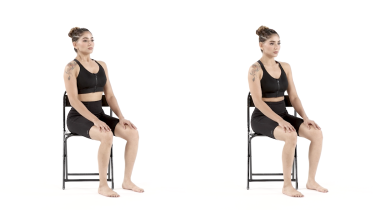
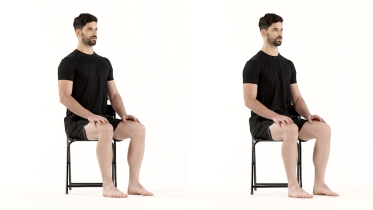
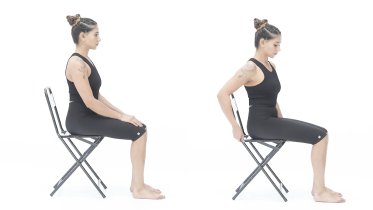
- Sit on a steady chair with your back upright, feet flat on the floor and hands resting on your thighs.
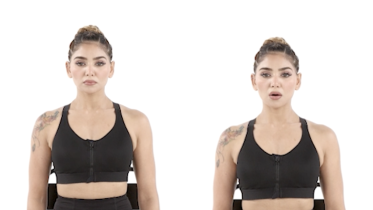
- Close your eyes and let your breathing settle into an even, comfortable rhythm.
- Imagine a wave of relaxation starting at the very top of your head.
- Let the wave move slowly down through your trunk, out along your arms, then down your legs and into your feet, noticing each area loosen as it passes.
- Bring your attention back to your breathing, then slowly open your eyes and sit for a moment before you stand up.
What you should feel
A calm, heavy or loose feeling in each area as the wave passes. Some people notice very little at first, and that is fine.
Common mistakes
- Rushing through the whole body in a few seconds.
- Tensing or wriggling a muscle to check whether it has relaxed.
- Trying to breathe in a special way. Normal, even breathing is enough.
- Getting up quickly straight afterward.
How often
The video takes under a minute. A common approach is a few minutes, once or twice a day, at a quiet time. Your physio will adjust this.
Stop and check with your physio if
- You feel faint, dizzy or unwell. Open your eyes, stay seated and get medical advice if it does not pass quickly. If you faint while exercising, call emergency services, even if you feel fine again quickly.
- Upsetting thoughts, memories or feelings come up and keep building. Open your eyes, look around the room and stop for now, and talk to your doctor or therapist if it keeps happening.
From the clinic
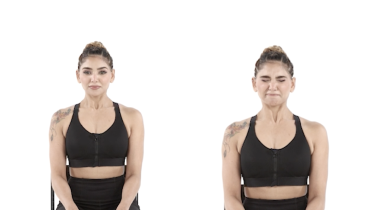
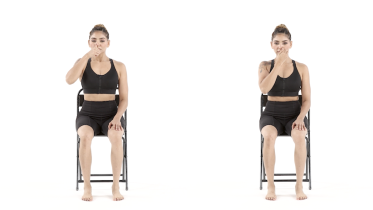
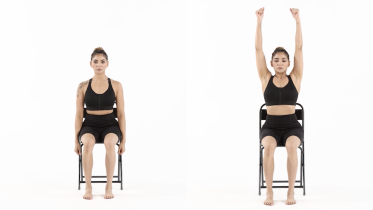
The app lists this as progressive muscle relaxation, but the video shows no tensing at all. In progressive muscle relaxation you tighten each muscle group for a few seconds and then let it go. Here you only move your attention, which is closer to a body scan, so follow the video. You can do a few minutes of diaphragmatic breathing before it if you like.
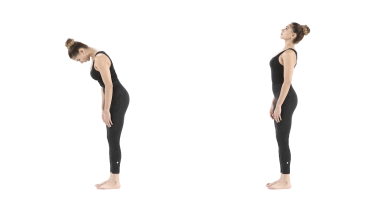
Close your eyes only while you are sitting safely in a steady chair, never while standing. If you have been through a trauma or are being treated for a mental health condition, ask your doctor or therapist whether this exercise suits you, as focusing on your body with your eyes closed is not comfortable for everyone. Keeping your eyes open and resting your gaze on a spot on the floor is a common alternative. This is a relaxation exercise, not a treatment for any condition.
Written and checked by the PocketPhysio editorial team. Last updated 2026-09-26.
This page is general education, not a diagnosis or a personal treatment plan. If you have pain, an injury or a health condition, see a physiotherapist or doctor before starting new exercises.