
Fibromyalgia exercises and physiotherapy
What is fibromyalgia?
Fibromyalgia is a long-term condition that causes pain in many parts of the body. It usually comes with tiredness and poor sleep, and many people also have trouble thinking clearly, often called fibro fog. The NHS explains that it is thought to be linked to changes in the way the central nervous system processes pain messages. It often starts after a time of physical or emotional stress, such as an injury, an infection, an operation or a major upsetting event. Symptoms change over time and can suddenly get better or worse.
There is no single test for it. A doctor makes the diagnosis from your symptoms and an examination, and may arrange blood or urine tests to check for other conditions (NHS). The current diagnostic criteria need pain that is widespread, in at least 4 of 5 body regions, rather than pain in one area (Wolfe 2016; Treede 2022). Pain specialists see fibromyalgia as the typical example of chronic primary pain: long-term pain with no clear underlying cause, or pain that is out of proportion to any injury or disease that can be seen (Treede 2022; NICE).
If your pain is mainly in one place, such as your lower back, a program for that area will fit better, for example the low back pain program. This page is for pain that is spread across the body.
Why does exercise help fibromyalgia?
The EULAR recommendations for fibromyalgia looked at 107 systematic reviews, and exercise was the only treatment they gave a strong recommendation for (Macfarlane 2017). The authors also pointed out that most treatments for fibromyalgia have fairly modest effects. NICE's 2021 guideline on chronic primary pain advises offering a supervised group exercise program that takes each person's needs, preferences and abilities into account.
Cochrane reviews show how big the benefit is. Across 13 trials of aerobic exercise with 839 people, quality of life probably improved. Pain and physical function may have improved slightly too, by about 10 to 11 points on a 100 point scale (Bidonde 2017).
Strength training may improve function and pain, and build muscle strength, but that evidence comes from 5 small trials in women and is low quality (Busch 2013). Programs that mix two or more types of exercise probably help quality of life and physical function. Fatigue probably improves as well, although the review authors note the gains may be too small to matter for some people (Bidonde 2019).
So exercise is not a cure. In the aerobic review, only three trials followed people up after the program ended: gains in pain and function held, but the gain in quality of life did not, which is one reason to treat exercise as a habit you keep rather than a course you finish.
Start low and pace yourself
Many people with fibromyalgia have done too much on a good day and paid for it with several bad ones. Physios often call this the boom and bust pattern. In the mixed exercise review, no injuries were reported, but some people's fibromyalgia symptoms got worse (Bidonde 2019). That is why this program starts well below what you can do on a good day.
Pacing means finding an amount you can do even on a bad day, doing about the same on good days, and increasing it in small, planned steps. For example, add a minute or two of walking, or a couple of repetitions, every week or two once the last step has settled. This is a common way physios plan the steps, not a fixed rule, and your physio will set them with you.
Some extra aching or tiredness is common when you start or step up, as it is for anyone new to exercise. As a guide, it should settle back to your usual level by the next day. If you are clearly worse the next day, the step was too big for now: go back to the last amount that suited you.
How to use this program
Pick the stage that matches you today. If you are not sure, start at stage 1, even if it looks easy. Move up a stage only when the current one feels easy on most days and has not set off a flare for a couple of weeks.
Each exercise page gives a typical starting dose. With fibromyalgia, start at the lowest number on each page. If even that leaves you clearly worse the next day, do fewer repetitions or a single set, and build up from there with your physio. Spread the strength exercises over 2 or 3 days a week with a rest day in between, and do the breathing and relaxation exercises on most days, along with the gentle movements. Your physio will adjust this.
Walking is the easiest aerobic exercise to build up. The brisk walking page starts at 10 to 20 minutes on most days. If that is too much at first, the short spells of marching on the spot in stage 1 bridge the gap, and you can split a walk into shorter spells through the day.
If you have high blood pressure, breathe steadily through every repetition and never hold your breath.
The exercise program
Stage 1: Start with what you can do on a bad day
For anyone new to exercise, coming out of a flare, or finding that exercise usually sets off pain. Slow breathing and the body scan help you relax before and after moving. Shoulder rolls and trunk rotations ease stiffness, and short spells of marching on the spot are the first step toward walking. Keep every exercise at an effort you could repeat tomorrow.
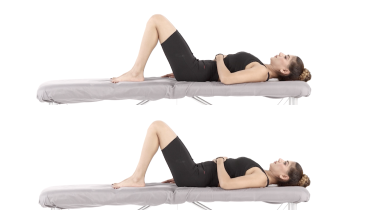 Diaphragmatic breathing
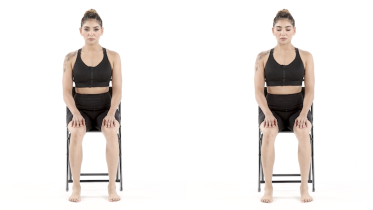 Body scan relaxation
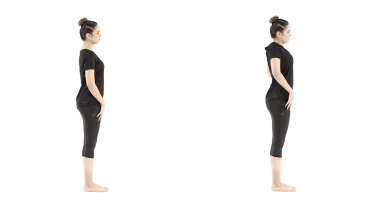 Backward shoulder rolls
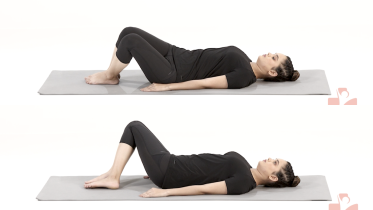 Lower trunk rotation
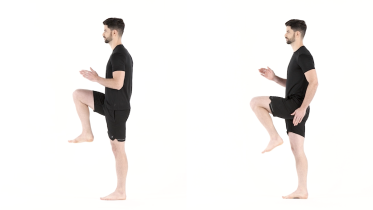 Marching on the spot
Stage 2: Build a walking habit and light strength
When stage 1 feels easy on most days and has not set off a flare for a couple of weeks. Walking takes over from marching as your main aerobic exercise. The strength exercises work your legs, chest and upper back, with the armrests, the wall and a light band taking some of the load. Keep the stage 1 breathing and relaxation going.
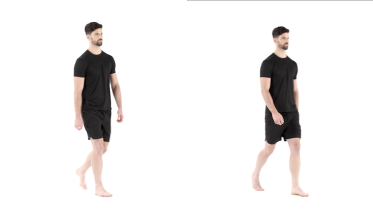 Brisk walking
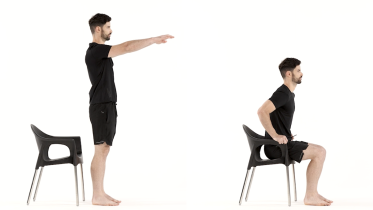 Sit to stand using armrests
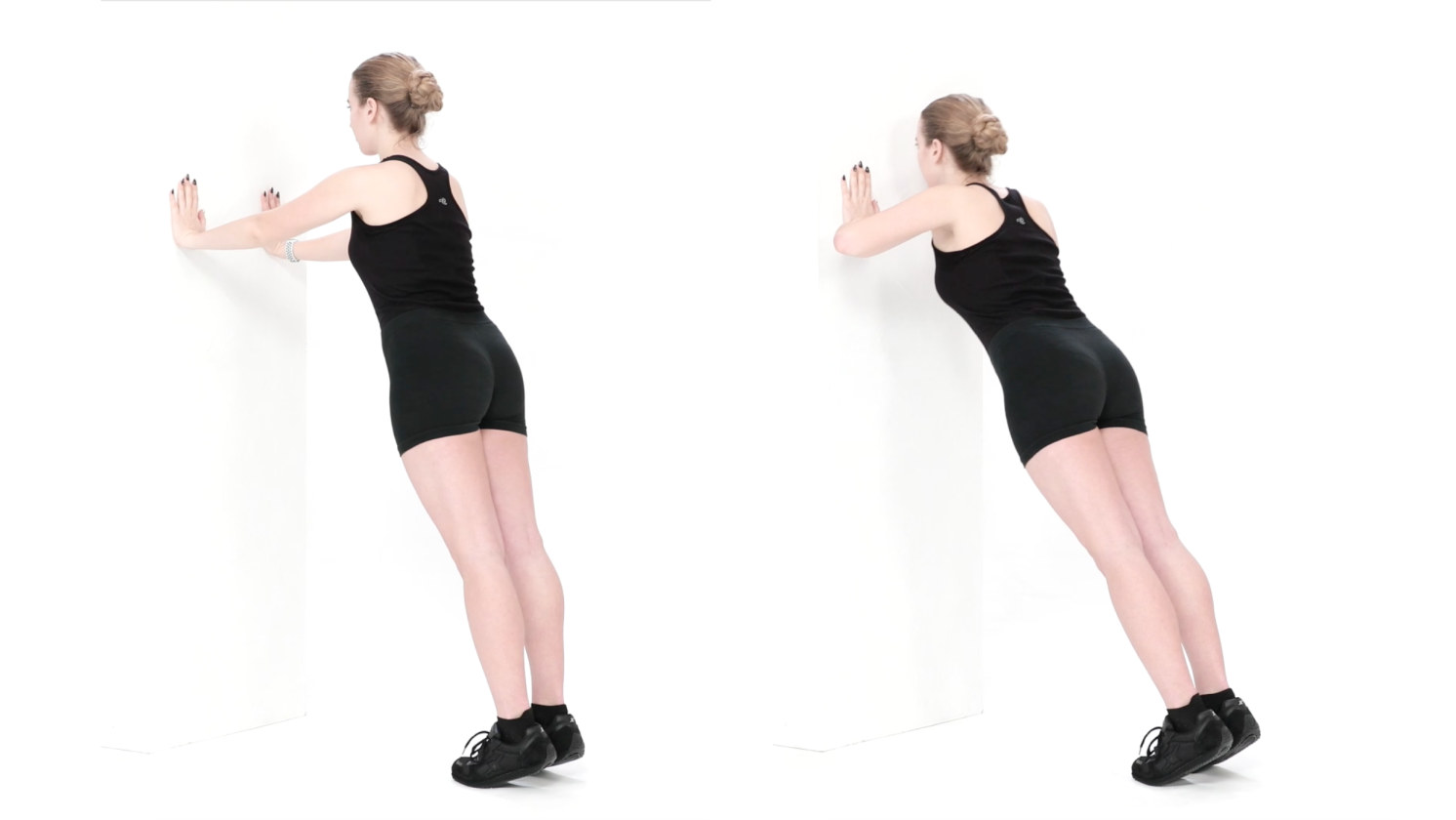 Wall push-ups
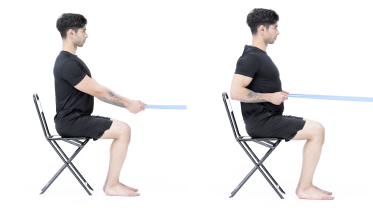 Seated row with band
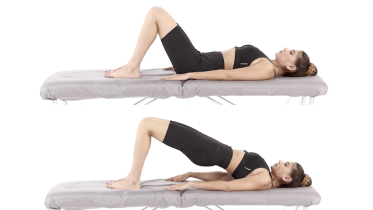 Glute bridge
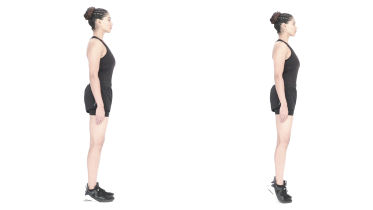 Calf raises
Stage 3: More strength and longer walks
When stage 2 feels easy and you recover from it by the next day. Sit to stand without your hands and step ups load the legs more, and the light dumbbell exercises train lifting and reaching. The bird dog works your back and hips while you hold your trunk steady. Keep walking, adding time before speed, and change only one thing at a time.
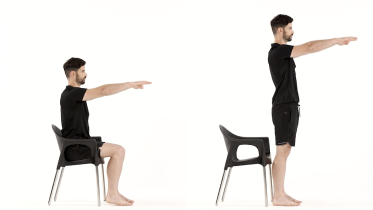 Sit to stand
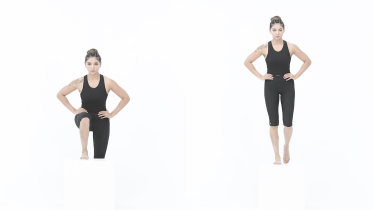 Step up
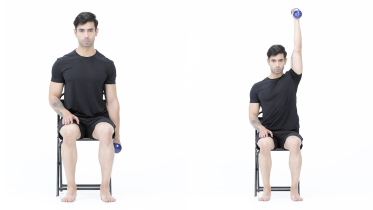 Seated dumbbell shoulder press
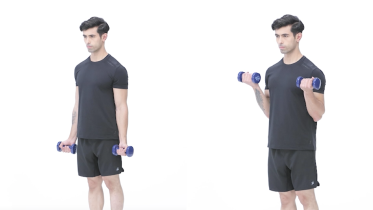 Biceps curl
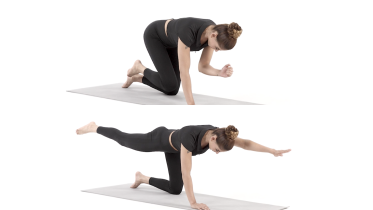 Bird dog
Planning for flare-ups
Flares can happen even when you pace well, so make a plan before one starts. Write down a smaller version of your program, for example the breathing and relaxation exercises, the gentle stage 1 movements and a short walk. During a flare, do that smaller version instead of stopping completely. As it settles, build back to your usual amount over several days in the same small steps.
Note what came before each flare. The NHS lists stress, changes in the weather and how active you have been as things that can change fibromyalgia symptoms. Spotting your own pattern, such as a busy week, poor sleep or a sudden jump in activity, helps you plan around it next time. Your physio can help you shape the plan and change it as you learn.
Other things that help
Exercise works best as part of a wider plan. The NHS lists relaxation techniques, talking therapies such as cognitive behavioral therapy (CBT) and acceptance and commitment therapy (ACT), and some antidepressant medicines among the treatments for fibromyalgia. EULAR gave weaker recommendations to several other options (Macfarlane 2017). Exercise in warm water (hydrotherapy) and acupuncture are among them. So are slow movement practices such as tai chi, qigong or yoga, as well as mindfulness and CBT.
Exercise in water is worth trying if exercise on land hurts too much at first. A Cochrane review found that water-based exercise improved symptoms and fitness as well as general wellness. The benefits were similar to exercise on land, except that land-based exercise built more muscle strength (Bidonde 2014).
Sleep matters too. The NHS suggests getting up at the same time every day, having a regular bedtime routine, and not having caffeine, alcohol, nicotine or a heavy meal close to bedtime.
What to avoid or change
You do not need to avoid any movement for good. What tends to cause trouble is a big jump, such as a long walk on a good day or a new class done at full effort. Add one thing at a time, and only when the last change has settled.
With a heart condition or high blood pressure, check with your doctor before you start. Stop straight away if you have any of these: chest pain or pressure, dizziness or feeling faint, a racing or irregular heartbeat, or being far more out of breath than the effort should cause. If you faint while exercising, call emergency services, even if you feel fine again quickly. What to do for chest pain is in the warning signs below.
If you have had a hip or knee replacement, get the go-ahead from your surgeon or physio before you try the sit to stand exercises, marching on the spot, the lower trunk rotation and step ups. Some operations limit this kind of work for the first months, so the timing depends on your surgery. If you have low bone density (osteoporosis), ask your physio before the lower trunk rotation, because twisting to the end of the range is usually limited. If your balance is not steady, do the standing exercises next to a kitchen counter or a sturdy chair you can hold.
If you are pregnant and past the first three months, check with your physio before exercising flat on your back.
When to see a physio or doctor
See a GP if you think you have fibromyalgia, as the NHS advises, so that other causes can be checked. See a physio if you are not sure where to start, if every attempt at exercise leads to a flare, or if pain stops you doing everyday things. NICE advises supervised group exercise programs, so ask whether a physio-led class or a local exercise group is available near you.
The NHS notes that depression and anxiety can occur alongside fibromyalgia. If your mood is low or you are struggling to cope, tell your GP. Some signs need help faster, from an emergency call to a doctor's appointment within a few days, and they are listed in the warning signs below.
For physiotherapists
This page gives patients a starting framework, not a full plan. EULAR proposes a graduated approach: education and non-drug treatment first, with psychological therapy, medicines or a multicomponent rehabilitation program added for people who do not respond (Macfarlane 2017). The resistance training trials in the Cochrane review included only women, and most used moderate to high intensity, so how men and people with more severe symptoms tolerate it is less clear (Busch 2013). The Revised Fibromyalgia Impact Questionnaire (FIQR) takes under 2 minutes to complete and is a practical way to track function and overall impact over a program (Bennett 2009).
See a doctor promptly if
- If chest pain, pressure or tightness does not ease quickly when you rest, spreads to your arm, neck, jaw, stomach or back, or comes with sweating, feeling sick, feeling light-headed or being short of breath, call emergency services straight away, as this can be a heart attack. If it eases quickly and none of these happen, get medical advice the same day, and do not exercise again until you have been checked.
- Dizziness or feeling faint during or after exercise, without any of the emergency signs above. Stop the exercises and get medical advice the same day. If you faint, it does not settle within a few minutes of sitting still, or you cannot stand or walk steadily, call emergency services.
- New numbness or weakness in both legs, new pain shooting down both legs like sciatica, new loss of feeling in one leg, new problems walking because your legs feel weak, stiff or heavy, numbness or altered feeling around your genitals or bottom, new trouble peeing or controlling your bladder or bowels, or a new change in how your genitals feel during sex. Call emergency services or go to an emergency department straight away. These can be signs of pressure on the spinal cord or on the nerves at the base of the spine.
- Emergency: you have had cancer, now or in the past, and your back or neck pain feels like a tight band around your body, or comes with pain spreading down an arm or leg, weakness, numbness or pins and needles in your arms or legs, trouble walking, or trouble controlling your bladder or bowels. Call your cancer team's emergency number straight away, or go to an emergency department if you do not have one or cannot get through. This can be cancer pressing on the spinal cord (metastatic spinal cord compression), which needs treatment straight away.
- Thoughts of suicide or of harming yourself, even if you do not plan to act on them. Get urgent help the same day from your GP or NHS 111 in the UK, and you can also talk to Samaritans on 116 123. If you have harmed yourself or feel you may be about to, call emergency services or go to an emergency department straight away.
- You are over 50 and have new aching and stiffness in both shoulders, often in the neck or hips too, that is worst in the morning and lasts more than 45 minutes after you get up. See your doctor within a few days, as this can be an inflammatory condition (polymyalgia rheumatica) rather than fibromyalgia. If you also get a new headache, pain or tenderness at your temples or on your scalp, or jaw pain when you eat or talk, get medical advice the same day, and if your vision changes, call emergency services.
- One or more joints become swollen, for example in your hands, wrists or feet, often with stiffness that is worst in the morning. See your doctor within a few days, as swollen joints point to a different cause, such as rheumatoid arthritis, which is best treated early. If a joint is hot, red and swollen, or you have joint pain with a high temperature or feel hot, cold or shivery, get medical advice the same day, and go to an emergency department if you feel very unwell.
- A new pain that is different from your usual pattern, for example it stays in one place, keeps getting worse, or started after a fall or an injury. See your doctor within a few days rather than putting it down to fibromyalgia. Get medical advice the same day if the pain is severe and came on suddenly or is getting worse quickly, if you have had cancer, now or in the past, or have lost weight without trying, if you also have a high temperature or feel hot, cold or shivery, or if it started after a minor fall or strain and you are older, have low bone density (osteoporosis) or have taken steroid tablets for a long time. If you are being treated for cancer now, contact your cancer team the same day. If you cannot walk or put weight on a leg after a fall, call emergency services or go to an emergency department.
- Pain at night is common with fibromyalgia, but see your doctor within a few days if pain in one area is constant, no rest or change of position eases it at all, and it keeps getting worse. If you have had cancer, now or in the past, or you have lost weight without trying, get medical advice the same day. If you are being treated for cancer now, contact your cancer team the same day.
Common questions
Is exercise good for fibromyalgia?
For most people, yes. It is the only treatment the EULAR recommendations support strongly, and Cochrane reviews found that exercise probably improves quality of life and may ease pain a little. The gains are modest on average, and they come from keeping it up over months. Start low and build up slowly.
What is the best exercise for fibromyalgia?
The one you can keep doing. Aerobic exercise such as walking, strength training and mixed programs all helped in trials, and exercise in water had benefits similar to exercise on land (Bidonde 2014). The NHS suggests choosing activities you enjoy and can keep up. Many people do well with a mix of walking and light strength work.
Why does exercise make my fibromyalgia worse?
Usually because the starting amount, or the step up, was too big. Some extra aching or tiredness is common when you start, but if you are clearly worse the next day, or it sets off a flare, the load was too much for now. Go back to an amount you can manage even on a bad day and build up in smaller steps. Your physio can help you find that level.
Can fibromyalgia go away?
The NHS says treatment can ease some of the symptoms, although they are unlikely to disappear completely. Symptoms also come and go, and they can suddenly ease or flare. Many people find they manage better with a mix of regular exercise, pacing and good sleep habits, and for some, talking therapies or medicines.
Is walking good for fibromyalgia?
For most people, yes. Walking is aerobic exercise, which in a Cochrane review of 13 trials probably improved quality of life and may have slightly eased pain (Bidonde 2017). Start with a walk you could manage on a bad day, and add a minute or two at a time.
References
- Macfarlane GJ, Kronisch C, Dean LE, et al. EULAR revised recommendations for the management of fibromyalgia. Annals of the Rheumatic Diseases. 2017;76(2):318-328. https://doi.org/10.1136/annrheumdis-2016-209724
- National Institute for Health and Care Excellence. Chronic pain (primary and secondary) in over 16s: assessment of all chronic pain and management of chronic primary pain (NG193). 2021. https://www.nice.org.uk/guidance/ng193
- Bidonde J, Busch AJ, Schachter CL, et al. Aerobic exercise training for adults with fibromyalgia. Cochrane Database of Systematic Reviews. 2017;(6):CD012700. https://doi.org/10.1002/14651858.CD012700
- Busch AJ, Webber SC, Richards RS, et al. Resistance exercise training for fibromyalgia. Cochrane Database of Systematic Reviews. 2013;(12):CD010884. https://doi.org/10.1002/14651858.CD010884
- Bidonde J, Busch AJ, Schachter CL, et al. Mixed exercise training for adults with fibromyalgia. Cochrane Database of Systematic Reviews. 2019;(5):CD013340. https://doi.org/10.1002/14651858.CD013340
- Bidonde J, Busch AJ, Webber SC, et al. Aquatic exercise training for fibromyalgia. Cochrane Database of Systematic Reviews. 2014;(10):CD011336. https://doi.org/10.1002/14651858.CD011336
- Treede RD. Chronic musculoskeletal pain: traps and pitfalls in classification and management of a major global disease burden. Pain Reports. 2022;7(5):e1023. https://doi.org/10.1097/PR9.0000000000001023
- Wolfe F, Clauw DJ, Fitzcharles MA, et al. 2016 Revisions to the 2010/2011 fibromyalgia diagnostic criteria. Seminars in Arthritis and Rheumatism. 2016;46(3):319-329. https://doi.org/10.1016/j.semarthrit.2016.08.012
- Bennett RM, Friend R, Jones KD, et al. The Revised Fibromyalgia Impact Questionnaire (FIQR): validation and psychometric properties. Arthritis Research and Therapy. 2009;11(4):R120. https://doi.org/10.1186/ar2783
- NHS. Fibromyalgia. https://www.nhs.uk/conditions/fibromyalgia/
- NHS. Polymyalgia rheumatica. https://www.nhs.uk/conditions/polymyalgia-rheumatica/
- NHS. Temporal arteritis. https://www.nhs.uk/conditions/temporal-arteritis/
- NHS. Rheumatoid arthritis. https://www.nhs.uk/conditions/rheumatoid-arthritis/
- NHS. Help for suicidal thoughts. https://www.nhs.uk/mental-health/feelings-symptoms-behaviours/behaviours/help-for-suicidal-thoughts/
- NHS. Chest pain. https://www.nhs.uk/symptoms/chest-pain/
- NHS. Fainting. https://www.nhs.uk/symptoms/fainting/
Written and checked by the PocketPhysio editorial team. Last updated 2026-09-28.
This page is general education, not a diagnosis or a personal treatment plan. See a physiotherapist or doctor for advice about your own situation.