Autogenic drainage breathing
Autogenic drainage is an airway clearance technique. You use slow, controlled breaths at different depths to move mucus from the smaller airways up toward the larger ones, where you can clear it with a huff or cough. A respiratory physio teaches it in person. The video covers one stage only, the high lung volume stage, done sitting upright. By this point the mucus is already higher up and the breaths are deeper. Use this page as a reminder of what your physio has taught you.
How to do the autogenic drainage breathing
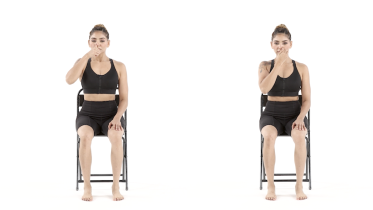
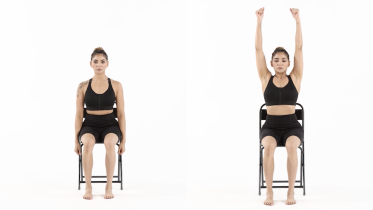
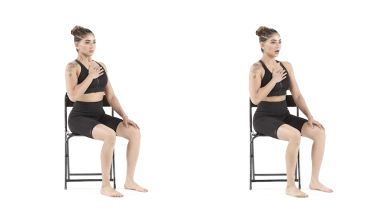
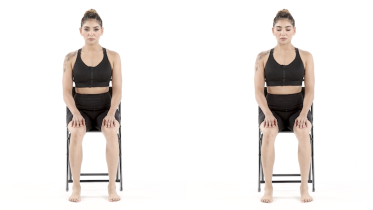
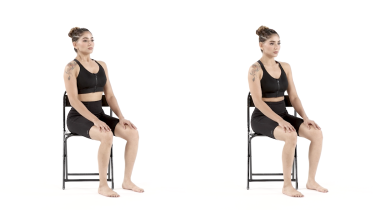
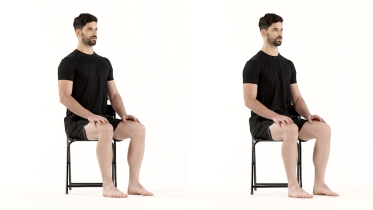
- Sit upright in a chair or on the edge of your bed, well supported, with your lower back in its natural curve, your arms resting at your sides and your neck and shoulders relaxed.
- Breathe in slowly through your nose, taking a deeper breath than usual, as your physio showed you for this stage.
- At the top of the breath, pause for about 2 to 3 seconds with your throat relaxed and open.
- Breathe out through an open mouth and throat in a quick, gentle sigh, like fogging up a mirror. Keep it smooth, with no wheeze.
- Try not to cough yet. If the urge gets strong, take a few normal, relaxed breaths until it passes. Once the mucus feels high in your throat, clear it with a huff or a gentle cough.
What you should feel
A soft rattle or crackle as the air goes out. It often gets louder as the mucus moves up. You should feel in control of each breath, never strained.
Common mistakes
- Breathing in quickly through your mouth.
- Pushing the breath out so hard that you wheeze.
- Coughing as soon as you feel mucus move, before it has reached the larger airways.
- Holding the breath with a tight, closed throat or tense shoulders.
How often
How long and how often depends on how much mucus you have and how thick it is, so your respiratory physio sets the plan. People with a lot of mucus often need at least 2 sessions a day. Your physio will adjust this.
Stop and check with your physio if
- You suddenly become short of breath, your chest feels tight or heavy, or you are far more short of breath than usual. Stop, rest and use your breathing control. Call emergency services if the breathlessness came on suddenly, your chest feels tight or heavy, your breathing does not go back to normal, you are gasping, choking or cannot get your words out, you have pain that spreads to your arms, back, neck or jaw, you feel suddenly confused or very drowsy, or your lips or skin turn very pale, blue or gray (on brown or black skin this can be easier to see on the palms of the hands). If everything settles quickly, get medical advice the same day before you do these exercises again.
- Your fingers or the skin around your mouth start to tingle, or you feel light-headed or spaced out. This can mean you are breathing too fast or too deeply, so stop and let your breathing go back to normal. If it has not settled within a few minutes, get medical advice the same day. If you faint, or the numbness or tingling is on one side of your face or body, call emergency services, even if it goes away.
- You cough up blood. Stop the session, and get medical advice the same day for a few spots or streaks in your mucus. If it is more than a few spots or streaks, or you also find it hard to breathe, have a very fast heartbeat or have pain in your chest or upper back, call emergency services.
- Chest pain or pressure, dizziness or feeling faint, a racing or irregular heartbeat, or being far more out of breath than the effort should cause.
From the clinic
Autogenic drainage takes practice. When you see a respiratory physio in person, they listen to your chest and set the depth and speed of each stage for your lungs. A video of one stage in sitting cannot teach you the whole technique. If nobody has shown you autogenic drainage, ask your doctor about a referral to a respiratory physio rather than learning it from a video.
If you have a lung condition, the airway clearance plan your own respiratory team gave you comes first, and this page only shows the general technique of one stage. Children learn airway clearance from their own respiratory team. An inhaler or nebulizer that opens your airways is usually taken before a session. Check the order of your other medicines with your team. A session tends to go better before a meal than straight after one.
If you are bringing up more mucus than usual, it is thicker or has changed color, or you have a high temperature or feel more tired or breathless than usual, contact your GP or respiratory team the same day and follow your self-management plan if you have one, as this can be a flare-up or chest infection that needs treatment.
If chest pain, pressure or tightness does not ease quickly when you rest, spreads to your arm, neck, jaw, stomach or back, or comes with sweating, feeling sick, feeling light-headed or being short of breath, call emergency services straight away, as this can be a heart attack. If it eases quickly and none of these happen, get medical advice the same day, and do not exercise again until you have been checked. If you faint while exercising, call emergency services, even if you feel fine again quickly.
Written and checked by the PocketPhysio editorial team. Last updated 2026-09-29.
This page is general education, not a diagnosis or a personal treatment plan. If you have pain, an injury or a health condition, see a physiotherapist or doctor before starting new exercises.