Wrist radial deviation with a dumbbell
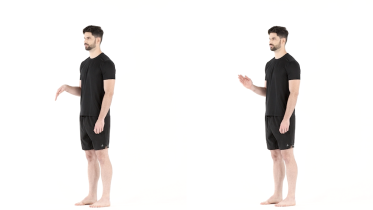
Wrist radial deviation with a dumbbell strengthens the muscles that tilt your hand toward the thumb side of the wrist (radial deviation). You stand with your arm hanging by your side and your thumb facing forward, then lift the front of a light dumbbell by bending the wrist up toward the thumb. Physios often bring it in during the later stages of wrist or forearm rehab, once the wrist moves well without any weight.
How to do the wrist radial deviation with a dumbbell
- Stand up straight, feet roughly hip width apart. Hold a light dumbbell in one hand and let that arm hang relaxed by your side.
- Turn the hand so your thumb points forward. Grip the dumbbell near one end so the rest of it sticks out in front of your hand on the thumb side, as in the video.
- Let your wrist relax so the front of the dumbbell tips down toward the floor.
- Bend your wrist up toward your thumb to lift the front of the dumbbell, until it points forward, or until the wrist will not comfortably bend any further. The elbow stays straight and the arm stays still by your side.
- Lower the dumbbell slowly back down, then lift again.
What you should feel
Work along the thumb side of your forearm, from the wrist up toward the elbow. The wrist does not bend far in this direction, so a small movement is normal.
Common mistakes
- Swinging the whole arm forward or bending the elbow to help the weight up.
- Letting the dumbbell drop quickly on the way down.
- Picking a weight so heavy that your grip or wrist starts to shake.
- Leaning the body or hitching the shoulder to lift.
How often
A light weight for 2 to 3 sets of 10 to 15 slow lifts, once a day or every other day, is a common place to start. Your physio will adjust this.
Stop and check with your physio if
- Sharp pain on the thumb side of the wrist or at the base of the thumb.
- Numbness or tingling in your hand or fingers. If one side of your face or body suddenly goes numb or weak, or your speech becomes slurred or muddled, call emergency services, even if it goes away.
- Wrist pain or swelling that is clearly worse the next morning.
From the clinic
How far the weight sits from your hand changes how heavy it feels. Holding the dumbbell nearer its middle makes each lift easier, and sliding your grip toward one end makes it harder. No dumbbell? Start with a small water bottle held at its base.
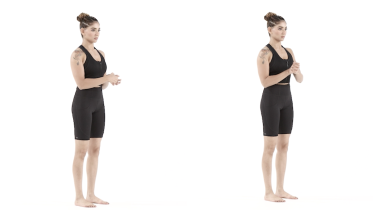
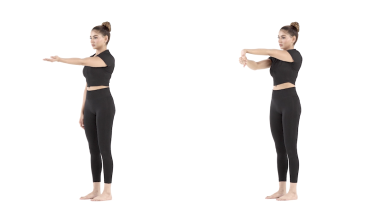
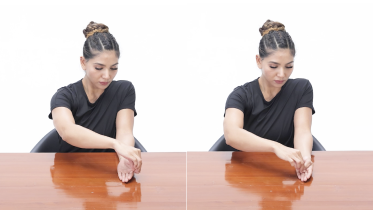
Pain over the tendons on the thumb side of the wrist (de Quervain's tenosynovitis) can be stirred up by this movement, so ask your physio before adding weight if you have that problem. After a broken wrist, hand or forearm, or surgery on any of them such as a tendon repair, start only when your doctor, surgeon, physio or hand therapist says the bone or repair is ready for this, and follow their plan for how much to do. The same side to side movement without a weight is in wrist radial and ulnar deviation, and the wrist curl and wrist extension with weight work the wrist up and down.
Written and checked by the PocketPhysio editorial team. Last updated 2026-09-28.
This page is general education, not a diagnosis or a personal treatment plan. If you have pain, an injury or a health condition, see a physiotherapist or doctor before starting new exercises.