Heel walking
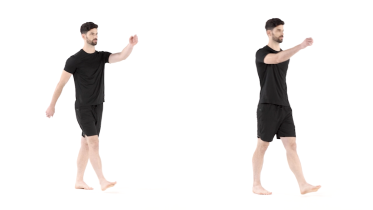
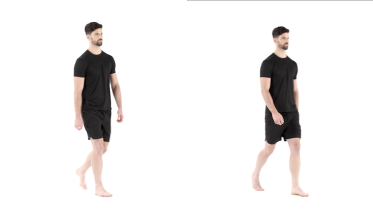
Heel walking means walking on your heels with the front of your feet and your toes lifted off the floor. It works the muscles at the front of your shin (tibialis anterior) that lift your foot as you step, and it tests your balance at the same time. Physios use it in ankle and foot programs, and also as a quick check of how well you can lift the front of each foot.
How to do the heel walking
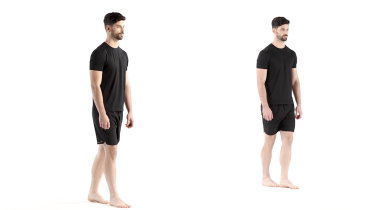
- Stand tall next to a kitchen counter or a long table, as in the video, so a hand can reach it if you need support.
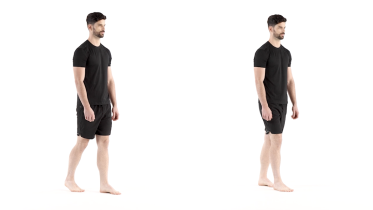
- Lift the front of both feet and your toes as high as you can, so your weight rests on your heels.
- Walk forward with short, slow steps, keeping the front of your feet off the floor the whole way.
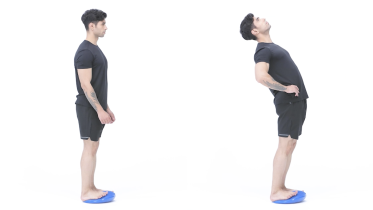
- Stay upright and look ahead. Try not to lean back or stick your bottom out to stay on your heels.
- At the end of the length, lower the front of your feet gently and rest before you go again.
What you should feel
Work at the front of your shins, often building to a tired or burning feeling toward the end of the length. Your ankles will also make small adjustments to keep you steady.
Common mistakes
- Letting the front of the feet sink back toward the floor as the shins tire.
- Bending at the hips or leaning back to keep your balance.
- Taking long strides, which makes you rock and wobble.
- Stamping the heels down hard with each step.
How often
A common starting point is 2 to 3 lengths of 10 to 15 steps, resting between lengths, once a day or on most days. Your physio will adjust this.
Stop and check with your physio if
- Sharp pain in the heel, the front of the shin or the ankle.
- Your balance goes or you feel close to falling backward.
- Shin pain that is clearly worse the next day, or a spot on the shin bone that is sore to touch.
From the clinic
The woman in the video walks beside a treatment table with a hand close to it, and the voice guide says you can hold on to something sturdy if you need to. At home, a kitchen counter or a hallway wall does the same job. The usual way to lose balance here is backward, so clear the floor behind you as well as in front. If you have osteoporosis or have fallen in the past year, keep a hand on the support for the whole walk.
Toe walking is the partner exercise for the calves, and ankle dorsiflexion with a band trains the same shin muscles sitting down.
A leg or foot that is getting weaker, for example your foot drags, catches on the ground or slaps down when you walk (foot drop), needs checking before you exercise it, so get medical advice the same day. If the weakness is getting worse by the hour, go to an emergency department. Numbness around your genitals or bottom, or new trouble with your bladder or bowels, is an emergency: call emergency services or go to an emergency department straight away. Do the same if you have pain, tingling, numbness or weakness in both legs, or lose feeling in one leg.
Written and checked by the PocketPhysio editorial team. Last updated 2026-09-26.
This page is general education, not a diagnosis or a personal treatment plan. If you have pain, an injury or a health condition, see a physiotherapist or doctor before starting new exercises.