Knee extension stretch
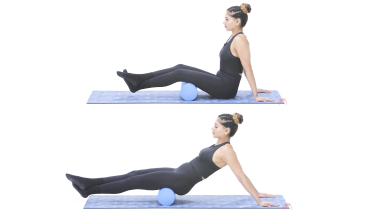
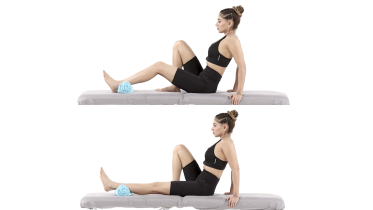
The knee extension stretch is a gentle stretch for a knee that does not go fully straight, often used after knee surgery or injury. You sit on the floor with your heel propped on a small roll so the back of the knee is off the ground, and let the knee sink toward the floor.
How to do the knee extension stretch
- Sit on a mat with both legs out in front of you.
- Place a small rolled towel under the heel of the stiff leg, so nothing supports the knee and the back of it is lifted clear of the floor.
- Bend the other knee and put that foot flat, if that feels more comfortable.
- Lean back onto your hands behind you, or lie down on your back if that is easier. Let the thigh muscles go soft and allow the knee to sink slowly toward the floor. Your hands stay off the knee.
- Hold and breathe normally. If your physio has suggested ice, you can rest an ice pack wrapped in a thin cloth on the knee while you hold. Bend the knee slowly to come out of the stretch.
What you should feel
A stretch or pressure behind the knee, sometimes into the calf. Some discomfort is common with a stiff knee, but it should ease as you hold, not build.
Common mistakes
- Tensing the thigh the whole time. The knee sinks further when the muscles relax.
- Putting the roll under the calf or behind the knee, which props the knee in a bent position.
How often
Many programs start with holds of 2 to 5 minutes and build up to about 10 minutes, 3 to 4 times a day. How long and how often depends on your knee, and your physio will set both. After surgery, your surgeon's protocol comes first.
From the clinic
This stretch is common in programs after knee replacement and ligament surgery. A knee left resting bent on a pillow for hours can stiffen in that bent position, so the stretch usually comes with a second piece of advice: keep pillows out from under the knee.
What makes it work is doing nothing. Weight, time and a thigh that is genuinely switched off take the knee further than any push, which is why the holds here are counted in minutes rather than seconds: a muscle guarding a sore knee takes a while to let go. If you notice yourself bracing against the pull, you are working against your own stretch. Prop the heel, never the knee, because the whole arrangement depends on the back of the knee hanging clear.
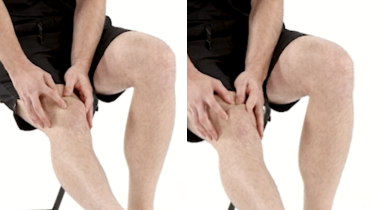
If your arms tire from leaning back, sit with your back against a wall or the sofa. Nobody presses on the knee in the video. Some programs do add gentle pressure just above the kneecap, but wait until your physio has shown you how.
With ice, keep a cloth between the pack and your skin and check the skin every few minutes. Skip the ice if the skin around the knee feels numb. That is common near a scar after surgery.
Before you start
- After a knee fracture or knee surgery, including a knee replacement, follow your surgeon's or physio's plan, and start this exercise only when they have cleared you.
- If you rest an ice pack on the knee during the hold, check first that you have normal feeling in the leg and no numbness, and look at the skin before, during and after. Numb skin cannot tell you it is being burned, and feeling can still be coming back for a while after an operation or a nerve block.
When to stop and get help
- Pain that is sharp or keeps building the longer you hold.
- Your calf or thigh becomes swollen, warm, tender, red or darker than usual, or has a throbbing or cramping pain that feels different from normal muscle ache. Stop and get medical advice the same day, as this can be a blood clot. If you are also short of breath or have chest pain, call emergency services.
- Numbness or tingling in the foot.
Reviewed by the PocketPhysio by VirtueLife expert physiotherapy team. Last reviewed 2026-09-25.
This page is general education, not a diagnosis or a personal treatment plan. If you have pain, an injury or a health condition, see a physiotherapist or doctor before starting new exercises.