Plank
The plank is a hold. You rest on your forearms and toes and keep your body in one straight line from shoulders to ankles for a set time, without moving. It works the muscles around your trunk, and you will find it in a lot of back rehab and general strength programs.
How to do the plank
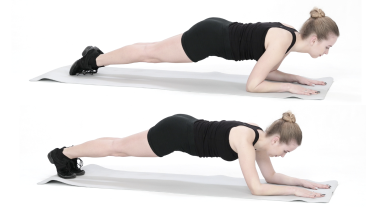
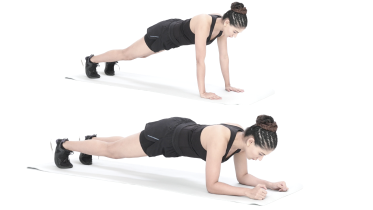
- Lie face down on a mat, then prop yourself up on your forearms. Put your elbows under your shoulders with your forearms flat and palms down.
- Tuck your toes under, feet close together or slightly apart.
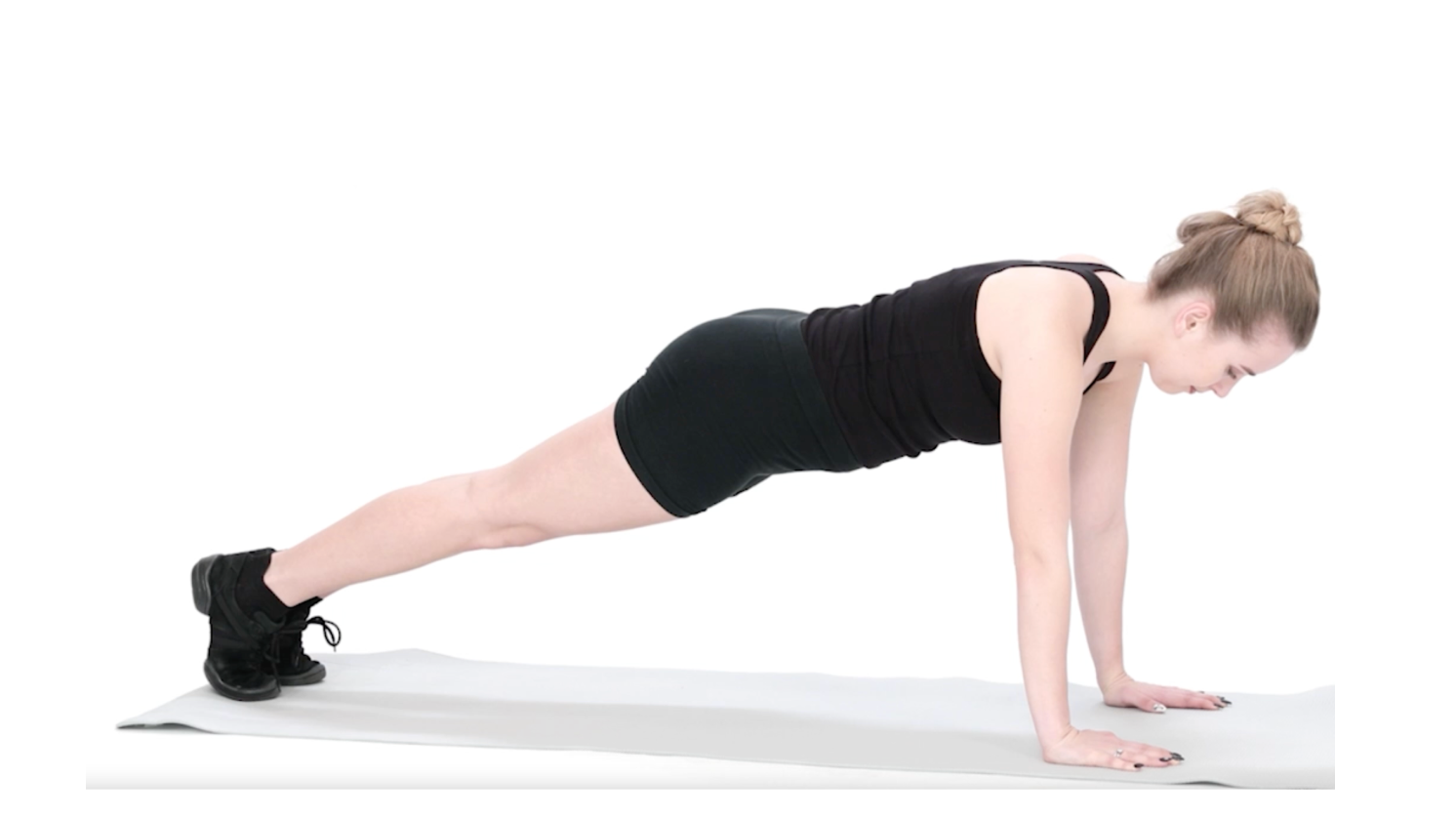
- Tighten your stomach and squeeze your buttocks, then lift your knees and hips off the mat. Your weight is on your forearms and toes, not on your hands.
- Make a straight line from your shoulders to your ankles. Look at the floor just ahead of your hands so your neck stays in line.
- Hold the position and keep breathing. Lower your knees to the mat when you need to rest.
What you should feel
Mostly your stomach and the muscles around your trunk. Your shoulders, buttocks and thighs work too. Your lower back should feel supported. It should not ache.
Common mistakes
- Letting the hips sag toward the floor, which loads the lower back.
- Pushing the hips up high, which takes the work off your stomach.
- Sinking between the shoulder blades. Push the floor away gently through your forearms.
- Holding your breath as the hold gets harder.
How often
Many programs start with holds of 10 to 30 seconds, repeated 3 to 5 times with a short rest in between, a few days a week. Your physio will adjust the hold time as your form improves.
Stop and check with your physio if
- Lower back pain that builds during the hold.
- Pain in the shoulder or elbow you are leaning on.
- Chest pain or pressure, dizziness or feeling faint, a racing or irregular heartbeat, or being far more out of breath than the effort should cause.
From the clinic
Form counts more than time. Once your hips start to sag or your back starts to ache, that set is over, whatever the timer says. Rest, then go again.
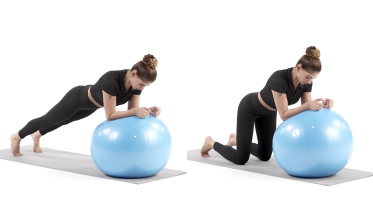
Too hard for now? Do the same plank with your knees on the mat, keeping a straight line from your knees to your shoulders. The dead bug and the bird dog also train trunk control with less load.
Planks put a lot of load through the stomach wall. If you are pregnant, have recently given birth, have had abdominal surgery or have a hernia, ask your physio or doctor before you plank. With high blood pressure, breathe steadily all the way through each hold and never hold your breath. If it is not well controlled, get your doctor's go-ahead before you start. If chest pain, pressure or tightness does not ease quickly when you rest, spreads to your arm, neck, jaw, stomach or back, or comes with sweating, feeling sick, feeling light-headed or being short of breath, call emergency services straight away, as this can be a heart attack. If it eases quickly and none of these happen, get medical advice the same day, and do not exercise again until you have been checked. If you faint while exercising, call emergency services, even if you feel fine again quickly.
Written and checked by the PocketPhysio editorial team. Last updated 2026-09-26.
This page is general education, not a diagnosis or a personal treatment plan. If you have pain, an injury or a health condition, see a physiotherapist or doctor before starting new exercises.